Naturopathy and Natural Therapies World Conference 2026
Speakers - 2026
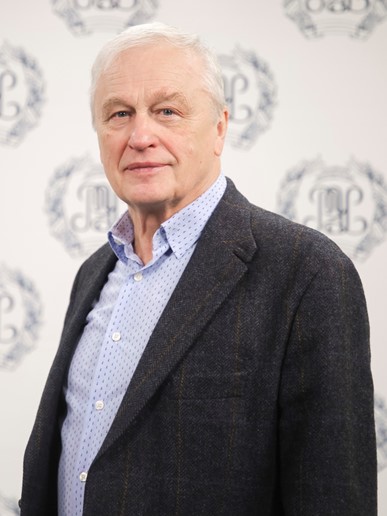
Vasily P. Karagodin
Vasily P. Karagodin
- Designation: Plekhanov Russian University of Economics, Russia
- Country: Russia
- Title: Development Of Anti Atherosclerotic Agents Based On Natural Products
Abstract
Background:
The gradual accumulation of lipids, especially cholesteryl esters, in the arterial intima is an early indicator of atherogenesis. While low-density lipoprotein (LDL) in the bloodstream is the main source of lipids, native (unmodified) LDL does not promote lipid accumulation in cultured cells. On the other hand, modified forms of LDL are known to have significant atherogenic effects. It is commonly thought that the oxidation of LDL is what contributes to its atherogenic nature. However, recent findings suggest that desialylated LDL, rather than oxidized LDL, is actually a crucial atherogenic variant found in human plasma. This insight is vital for identifying the correct pharmacological targets for therapies aimed at preventing and treating atherosclerosis.
Methods:
In vitro experiments and a pharmacological evaluation involving more than 60 compounds were conducted to discover potent inhibitors of sialidase. Additionally, pilot studies were carried out to clinically assess the natural sialidase inhibitor epigallocatechin, which is available as the dietary supplement Tertinat.
The inhibition of sialidase by tested substances was assessed by the measurement of sialidase activity based on hydrolysis of 4MU-NAHA as a substrate with the resulted release of 4MU as fluorescing marker. Patients for pilot studies were recruited from outpatient flow in the cardiac surgery department of Moscow Regional Research and Clinical Institute. Two-stage ultracentrifugation was used for LDL isolation, and sialic acid content in LDL was determined colorimetrically. The epigallocatechin content in green tea extracts was determined by HPLC. The LDL atherogenicity was assessed as LDL ability to induce cholesterol accumulation in cultured THP-1 cells.
Results:
Pharmacological screening identified several potent sialidase inhibitors, with epigallocatechin demonstrating the highest efficacy and safety profile. The largest amount of epigallocatechin is found in green tea extract (up to 70%). Based on green tea extract, a dietary supplement was developed that was registered under the name Tertinat. Administration of Tertinat in pilot clinical studies significantly increased sialic acid content in LDL, and sustained treatment for over 12 months maintained this effect.
Another natural product, avicularin, found in common knotgrass (Polygonum aviculare), effectively stimulates the activity of sialyltransferase, an enzyme that directly increases sialic acid levels in LDL. The combination of epigallocatechin and avicularin has a synergistic effect.
Conclusions:
Inhibition of sialidase activity and/or stimulation of sialyltransferase represents a promising therapeutic strategy for atherosclerotic cardiovascular disease. A multicenter, randomized, double-blind, placebo-controlled clinical trial—Sialidase Inhibition as Antiatherosclerotic Therapy (SIAT)—has been initiated to evaluate the efficacy of Tertinat in preventing LDL modification and slowing atherogenesis.
This study was supported by Russian Science Foundation, Grant # 25-25-00635.
The Naturopathy and Natural Therapies World Conference (NNTWC 2026) unites global leaders in naturopathy, natural medici ...
Read More>>
Organizer
